Okay, let’s have an honest conversation about the two main types of espresso machines, because a lot of people end up buying the wrong one — not because they made a bad choice, but because nobody explained the real difference clearly upfront.
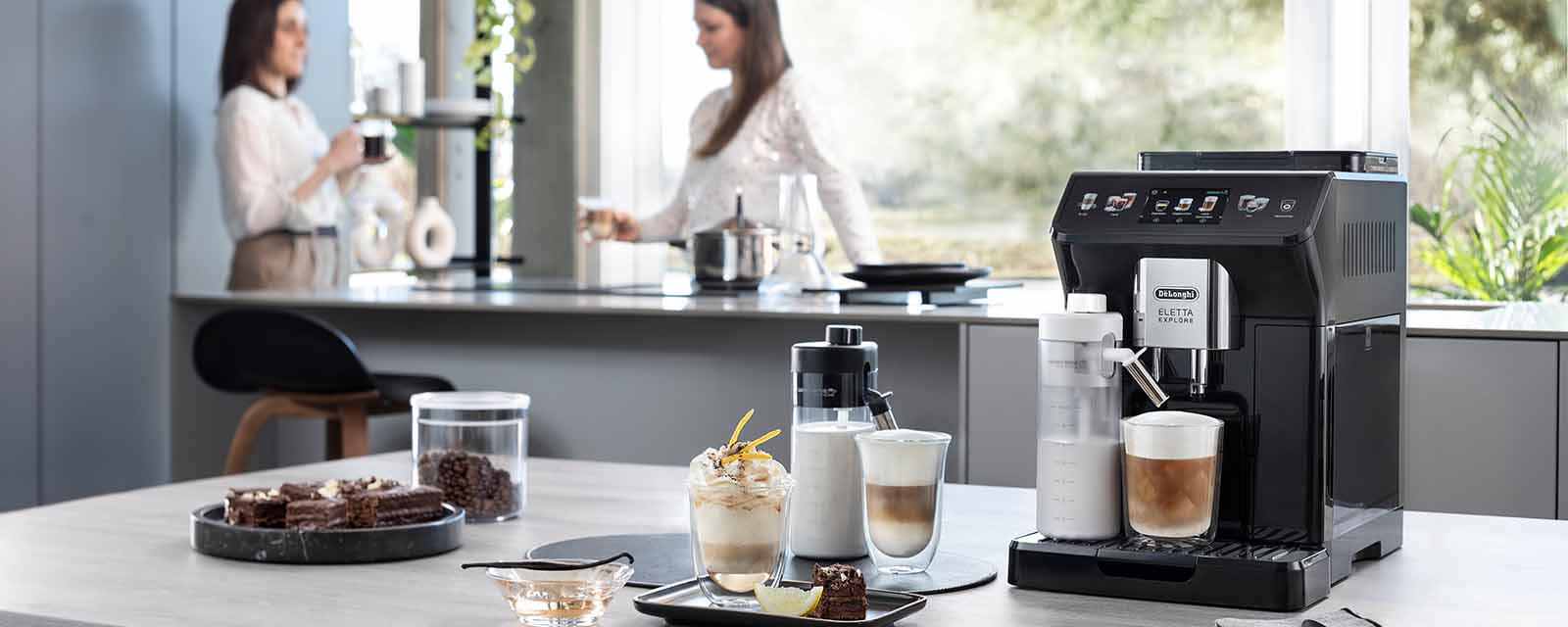
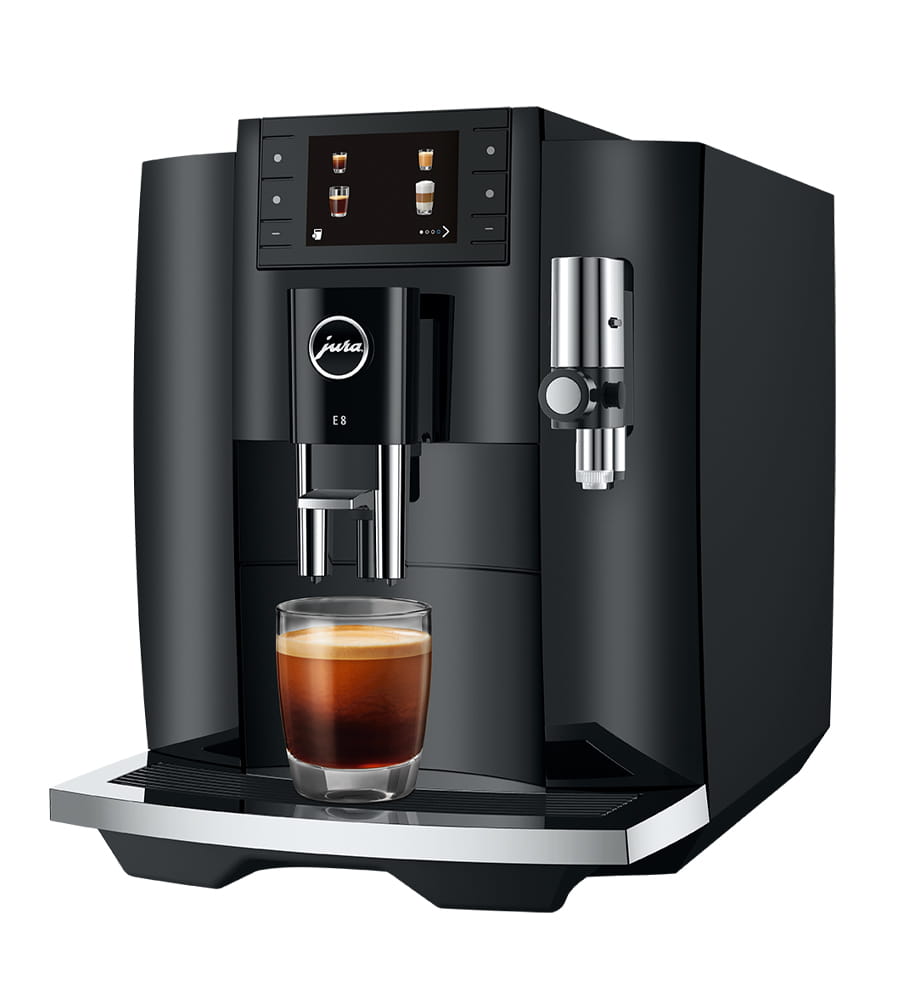
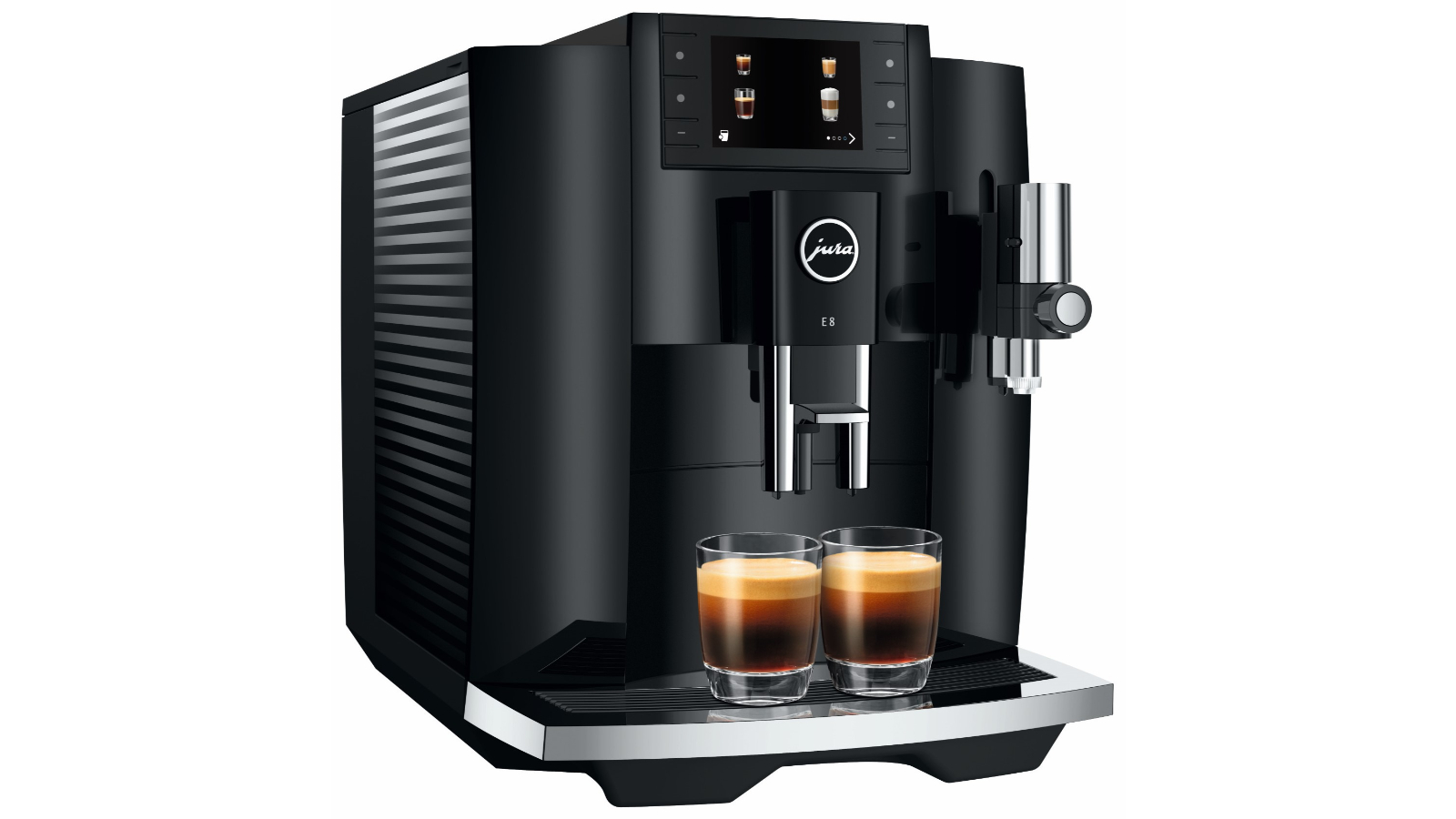
Super-automatic machines are the all-in-one option. Load beans, add water, press a button, get coffee. The machine grinds, doses, tamps, brews, and ejects the spent puck entirely on its own. Many models also handle the milk — heating, frothing, pouring — automatically. The experience is genuinely seamless. You press a button. You get a great coffee. You didn’t have to think about it.
Semi-automatic machines split the job differently. They automate the pump and the boiler — keeping pressure and temperature consistent, which is where the real technical magic happens — but they leave the grinding, dosing, tamping, and starting the extraction to you. That means more hands-on involvement with every cup you make.
So which is better? Neither. It completely depends on what you’re looking for.
Here’s when a super-automatic is absolutely the right call: you want excellent coffee every morning without any fuss. You’re not particularly interested in developing barista skills. You might be sharing the machine with people who have wildly different drink preferences. You value consistency and convenience above the ability to tinker. For most households, honestly, this is the sweet spot. Modern super-automatics from quality manufacturers produce genuinely impressive espresso at the press of a button, and once you’ve configured your settings, they’ll reproduce your perfect cup reliably every single day.
Here’s when a semi-automatic is the better fit: you love the craft side of coffee. You want to understand what changes when you adjust the grind, the dose, or the tamp. You’re the kind of person who enjoys a small ritual and gets genuine satisfaction from pulling a perfect shot through skill and attention rather than automation. You want the ceiling of what’s possible, not just a reliable floor.
There’s a real learning curve with semi-automatics — that’s worth being upfront about. You’ll pull some sour shots early on. You’ll wonder why the same beans taste different on a humid day. You’ll slowly learn that grind adjustments are measured in tiny fractions of a turn. And eventually you’ll pull a shot that is genuinely extraordinary, and you’ll know exactly why it is, and that will feel fantastic.
Budget is also worth factoring in here. Counter-intuitively, a great semi-automatic setup — machine plus a quality standalone burr grinder — can often be assembled for less money than a super-automatic of equivalent espresso quality, because you’re not paying for the automation of the non-brewing steps.
Bottom line: want great coffee with minimum effort? Super-automatic. Want to learn a craft and squeeze every last drop of quality out of your beans? Semi-automatic. Both are genuinely excellent options — just for different people.