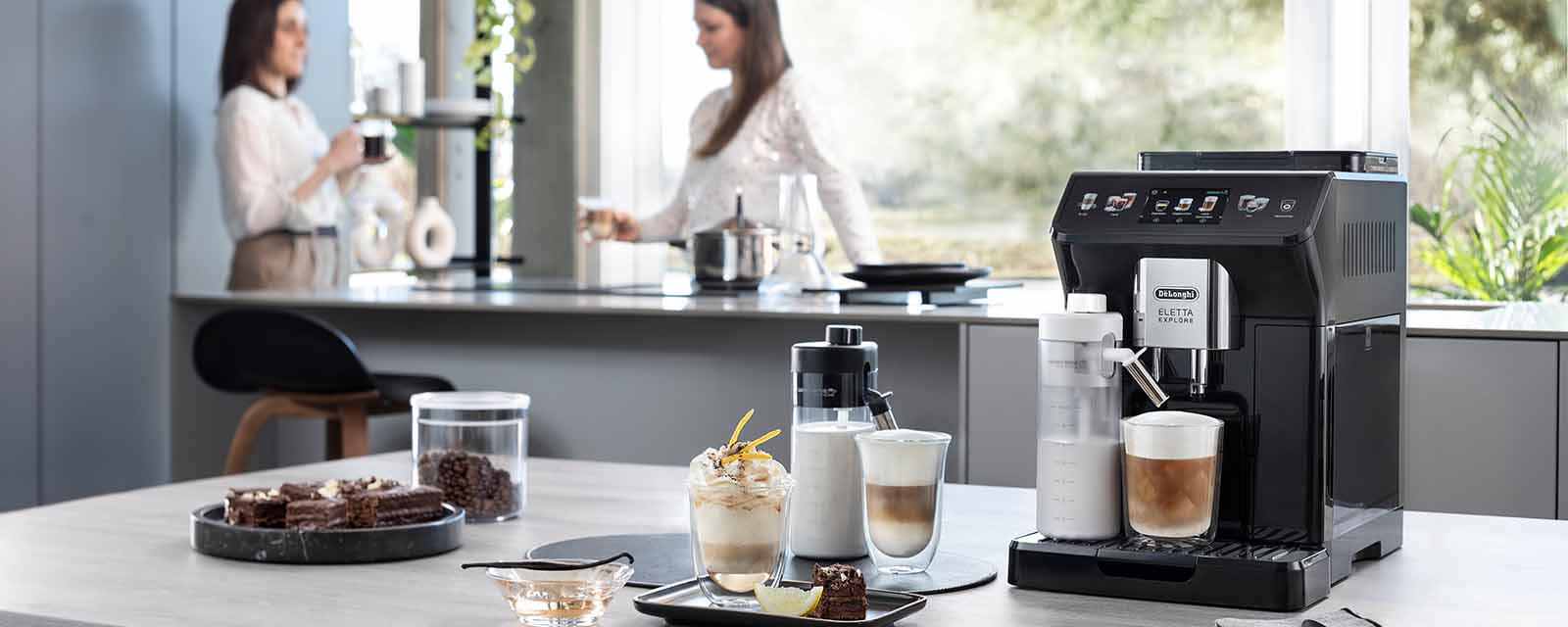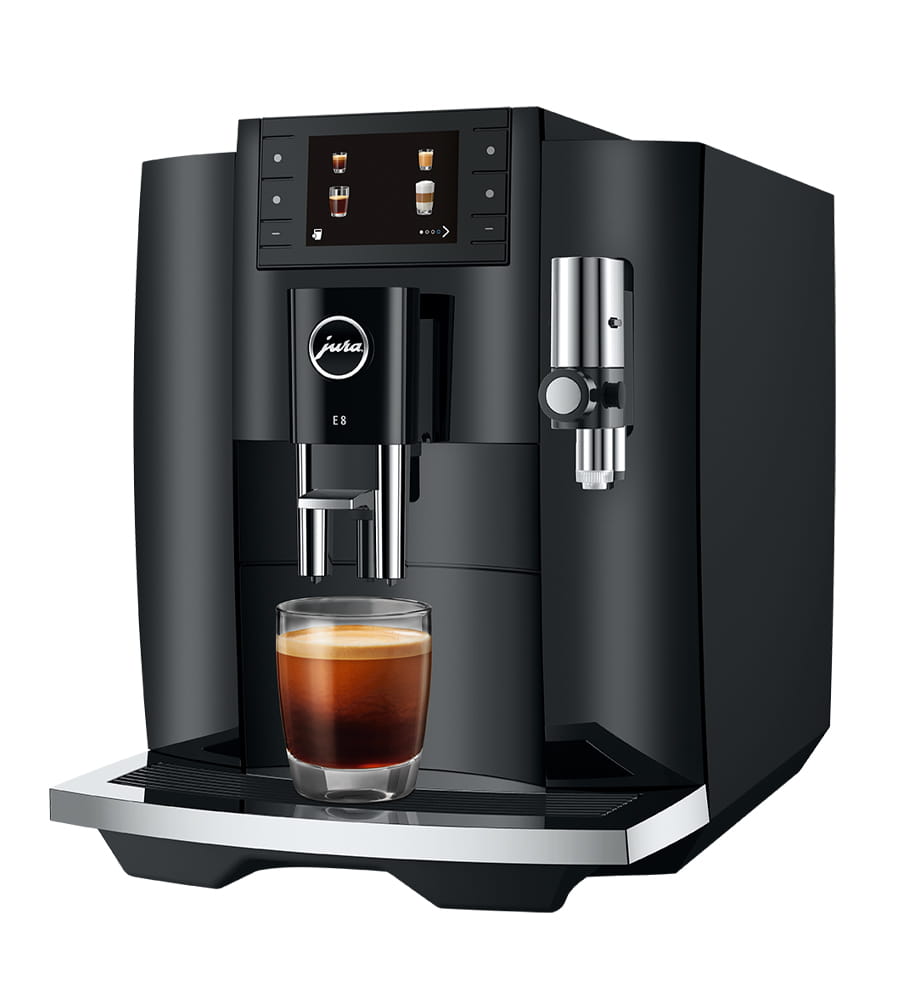
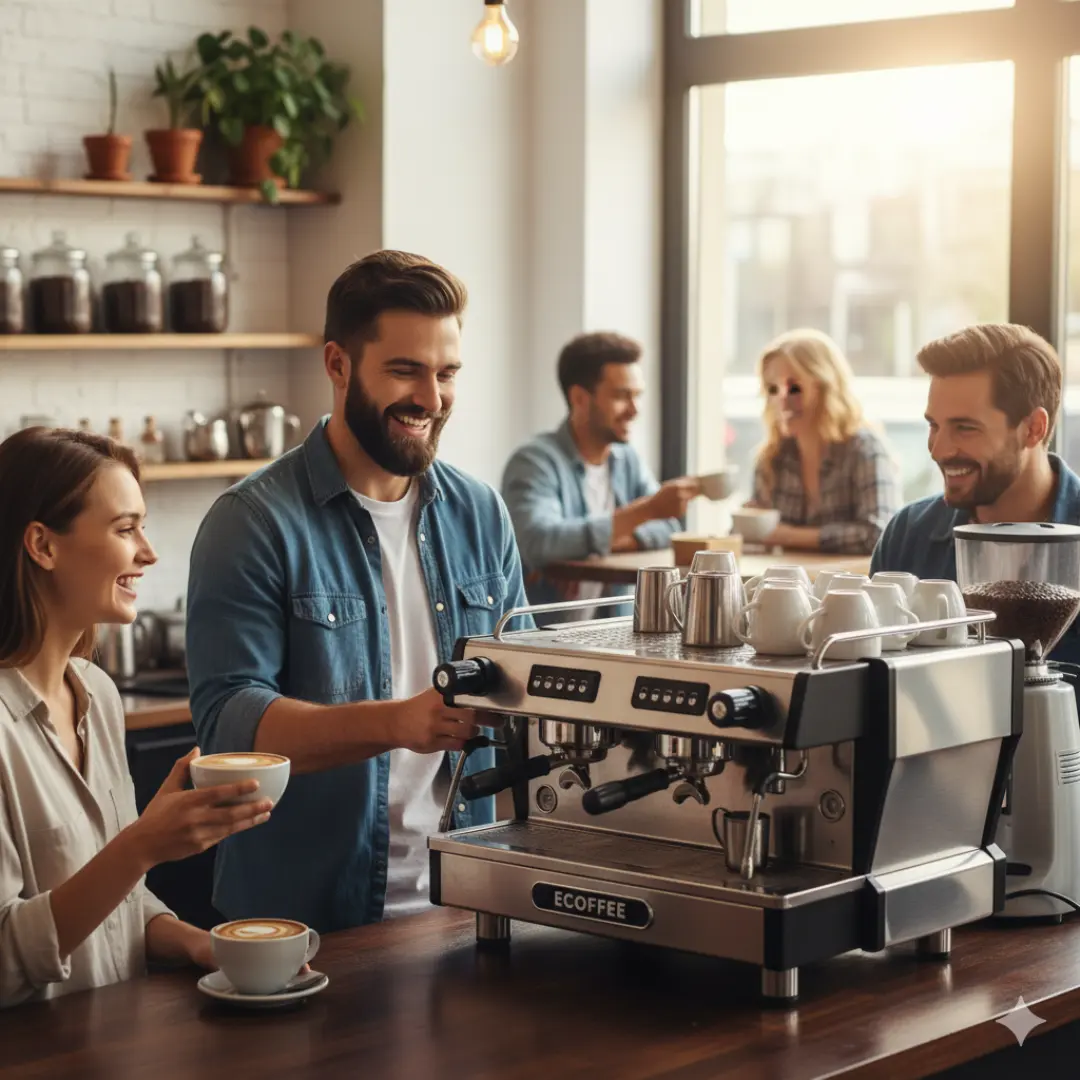
Something really interesting has happened to home coffee over the past decade or so, and if you’ve been paying attention, you’ve probably noticed it too. People aren’t just drinking more coffee at home — they’re drinking better coffee, talking about it more knowledgeably, and investing in their setups with a seriousness that would have seemed extreme to most people fifteen years ago. And at the center of all of this? The automatic espresso machine.
The shift started building momentum when the specialty coffee movement began changing what people expected from a cup. Once you’ve had a well-made flat white from a great specialty cafe, a pod coffee at home starts tasting thin and hollow by comparison. Consumers who’d been educated about origins, roast levels, and extraction by their local baristas started wanting that quality at home. And the market listened.
Manufacturers responded by making better machines at lower prices. Then specialty roasters started direct-to-consumer subscription services, delivering freshly roasted beans to doorsteps everywhere. Then YouTube channels and Instagram accounts dedicated to home espresso started racking up millions of followers. Then Reddit communities formed where home baristas traded dialing-in advice with the seriousness of professional competition prep. The whole ecosystem built on itself, and automatic machines were the hardware that made it all possible.
One of the biggest changes this revolution has driven is the shift away from pod machines. Capsule coffee was genuinely clever when it launched — it solved the convenience problem brilliantly. But as people got more serious about coffee quality, the limitations of pod systems became harder to overlook: the coffee isn’t fresh, you’re locked into one brand’s ecosystem, and you’re generating enormous amounts of single-use waste. Automatic bean-to-cup machines offer better coffee, complete bean freedom, and a fraction of the packaging impact. It’s not a close comparison once you’ve tasted the difference.
What’s really exciting about this home coffee revolution is the knowledge transfer happening alongside it. The information gap between professional baristas and enthusiastic home brewers has essentially collapsed. YouTube tutorials explain extraction theory in accessible detail. Online communities answer beginner questions with patience and depth. Roasters publish detailed brewing guides for their specific coffees. A curious home espresso drinker today can access the same quality of information that professional training programmes provided just a decade ago.
Social media has amplified all of this beautifully. Espresso shots and latte art have become their own genre of food content, with dedicated communities on every platform celebrating home coffee craft. There’s something genuinely lovely about a global community of people united by their shared pursuit of the perfect cup.
The home coffee revolution that automatic machines helped start isn’t finished — if anything, it’s accelerating. And the coffee in your cup has never been better for it.