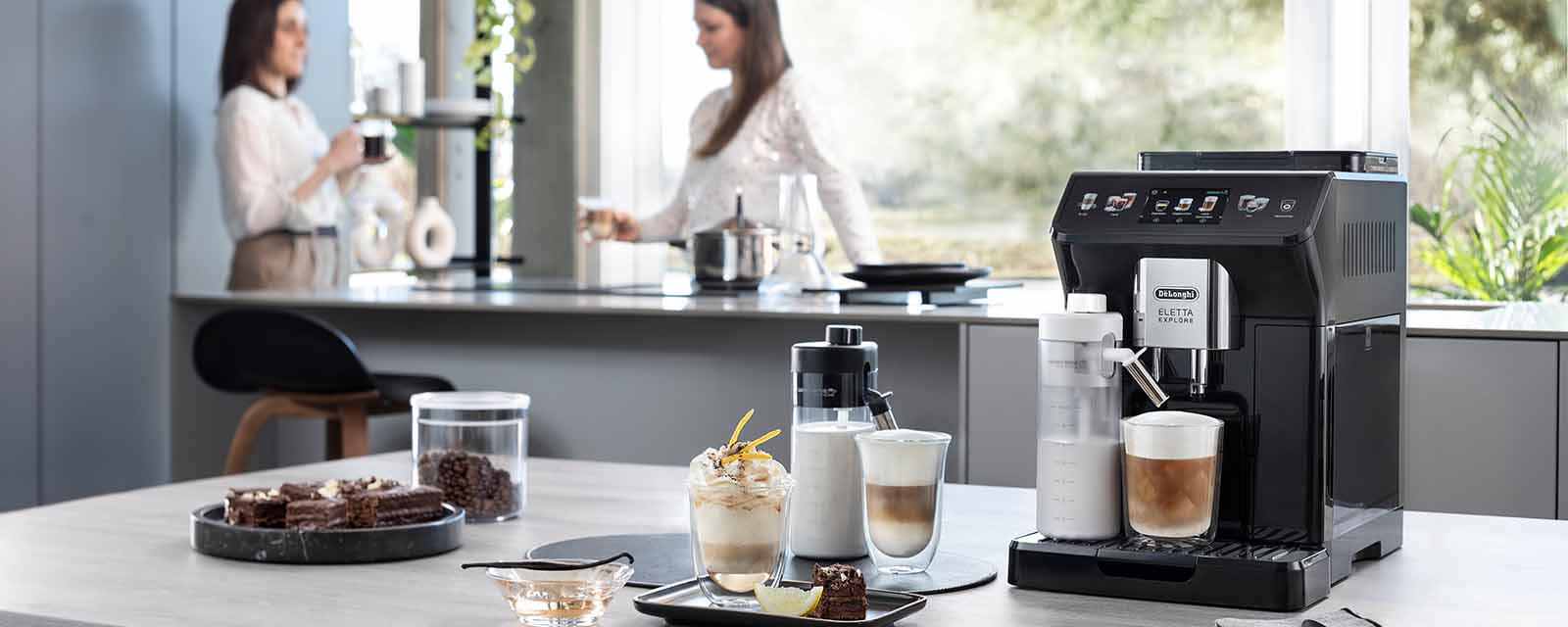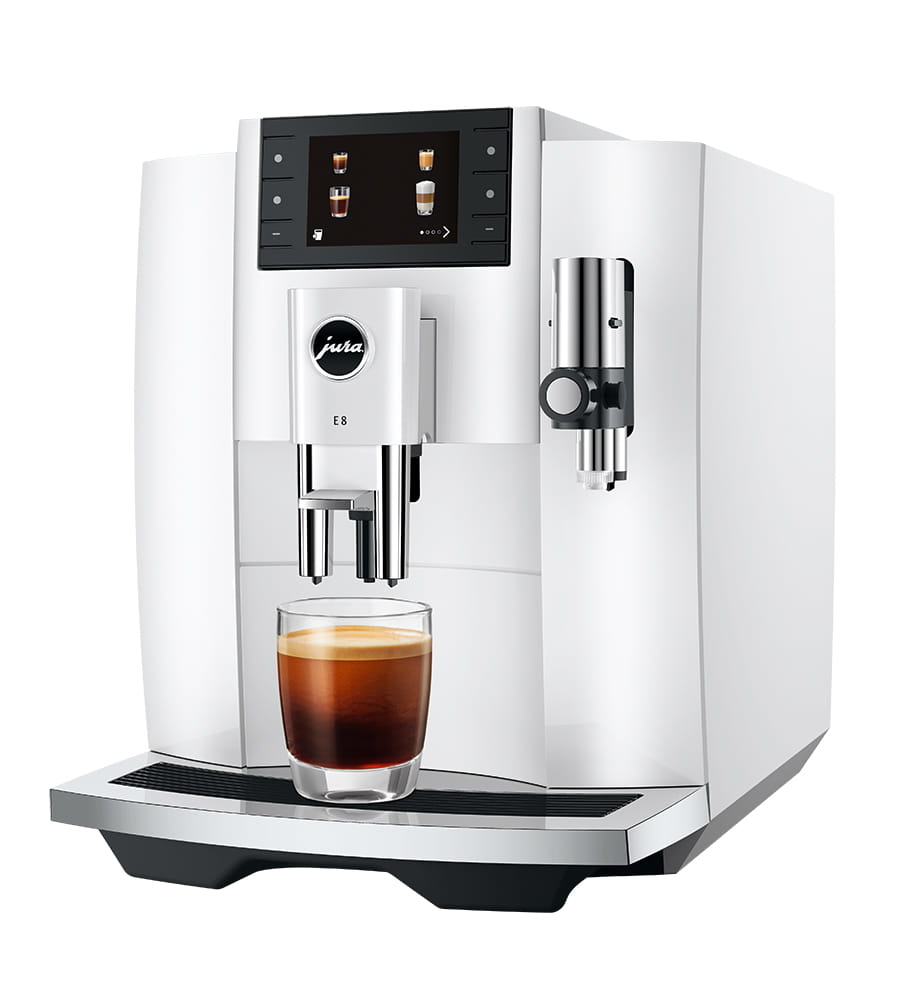
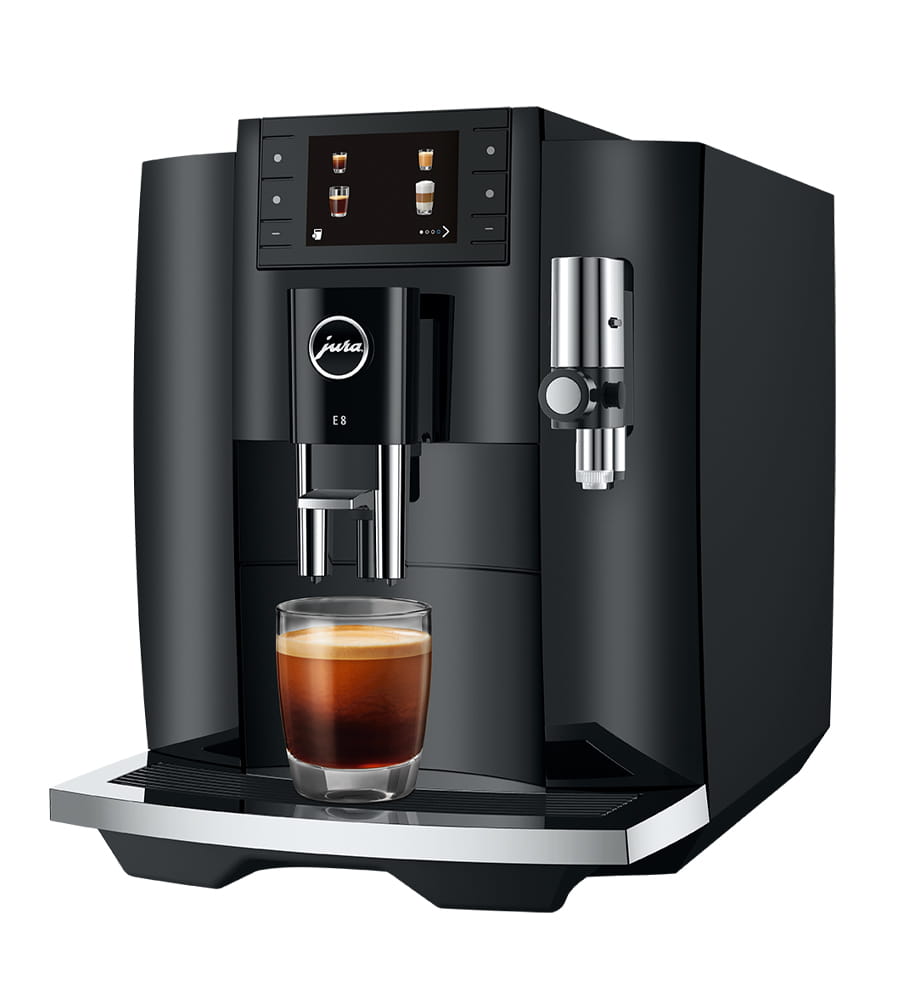
Let me tell you about a small but genuinely life-changing moment that happens to a lot of people when they get their first bean-to-cup machine. They load up some freshly roasted beans, press a button, and take their first sip — and then they just stand there for a second, confused, because their coffee tastes completely different from anything they’ve made at home before. Better. Noticeably, dramatically better. That’s the bean-to-cup effect, and once you’ve experienced it, it’s very hard to go back.
So what’s actually going on? It all comes down to freshness. The moment you grind a coffee bean, it starts losing the volatile aromatic compounds that give specialty coffee its amazing complexity — the fruity notes, the florals, the chocolate depth. Within minutes of grinding, those delicate aromatics begin to disappear. Pre-ground coffee from a bag? It’s been staling since the day it was packaged. Pod coffee? Sealed in a capsule weeks or months before it reaches your machine. Bean-to-cup grinds right before it brews, every single time, and the difference in your cup is not subtle.
What makes the whole process even better is how effortless it is. You load whole beans into the hopper, fill the water tank, hit a button, and the machine takes it from there — grinding, dosing, tamping, brewing, all in under a minute. It’s not just convenient; it genuinely feels like a little act of magic happening on your kitchen counter every morning.
The personalisation options on modern bean-to-cup machines are genuinely impressive. Want a shorter, more concentrated shot? Done. Prefer a longer, milder brew? Easy. Two people in your household with completely different coffee preferences? Most machines let you save individual profiles — so your flat white and your partner’s lungo are each just one tap away, perfectly calibrated every time.
Now, if you’re currently using a pod machine, here’s something worth thinking about: every capsule you brew is a tiny piece of packaging that almost certainly ends up in landfill. A household making four coffees a day generates over fourteen hundred capsules a year. Bean-to-cup machines run on whole beans sold in bags — a tiny fraction of the packaging waste. Better coffee and a cleaner conscience? That’s a pretty good trade-off.
There is one honest caveat though: bean-to-cup machines need more maintenance than pod machines. The grinder needs occasional cleaning to prevent oil buildup. The brew group needs regular rinsing. The water circuit needs descaling every few months. None of it is difficult or time-consuming, but you do need to actually do it. Skip the maintenance and your coffee quality will quietly decline until one day you wonder why your machine stopped tasting good.
The bottom line? A bean-to-cup machine transforms your morning not by making it more complicated, but by making the most important part — the coffee itself — genuinely excellent. That first sip, every day, will remind you exactly why you made the switch.