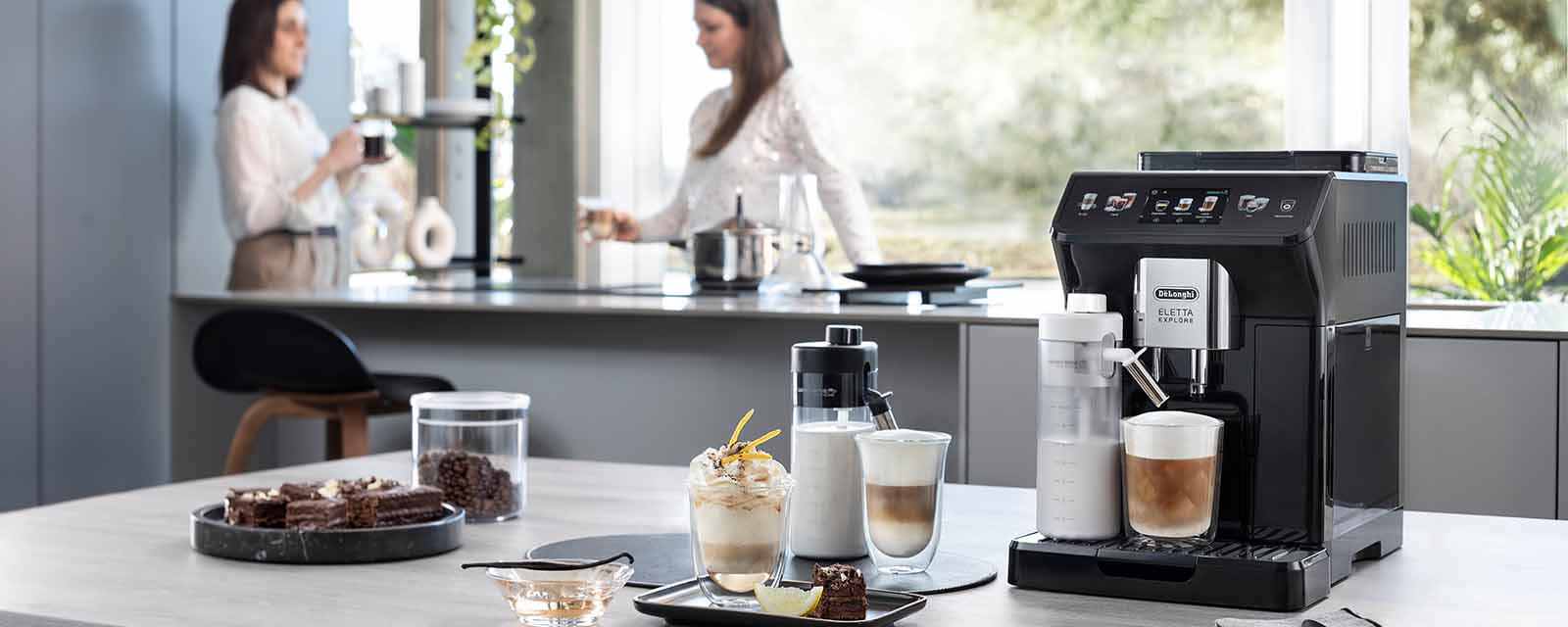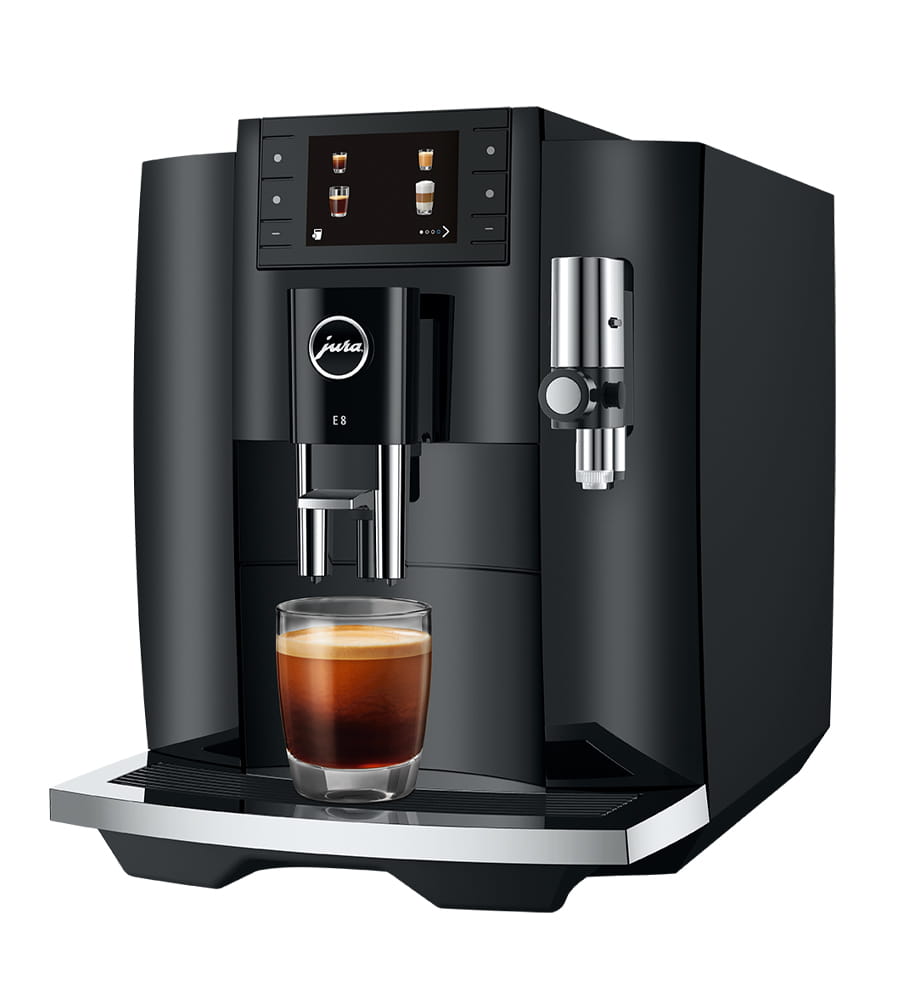
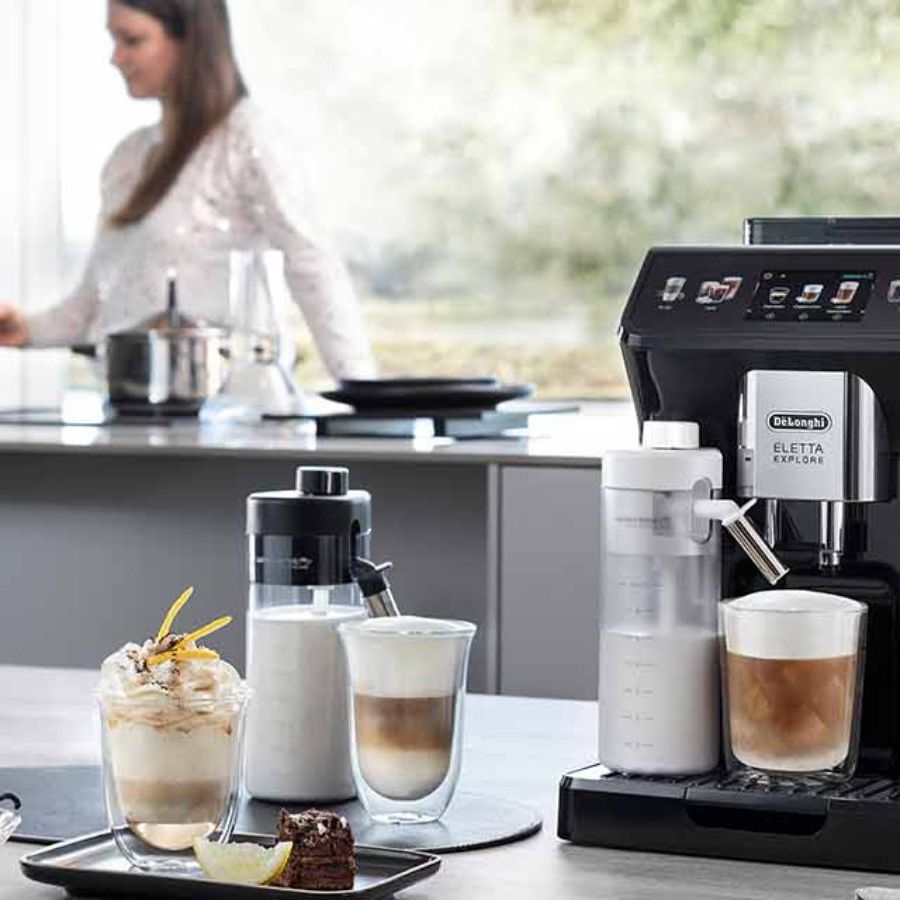
There’s something genuinely exciting happening in the coffee world right now, and it doesn’t involve a new processing technique or a rare variety from a remote growing region. It involves the fact that more people than ever before are drinking genuinely excellent espresso — not just at specialty cafes, but at home, every morning, pulled from their own machine, with beans they selected and configured themselves. And the automatic espresso machine is the technology that made this possible.
Think about what access to great espresso looked like not that long ago. If you wanted specialty-quality coffee at home, you needed significant investment in a semi-automatic machine and a standalone grinder. You needed to learn about grind size, dose, tamping technique, and extraction time. You needed to practice — pulling shot after shot, making adjustments, developing the sensitivity to notice what changed and why. It was genuinely rewarding, but it was a committed enthusiast pursuit. Most people settled for a significant quality gap between what they made at home and what they could get at a great cafe.
Automatic machines changed the equation. The technical knowledge required to pull a great shot — the understanding of grind consistency, temperature stability, extraction pressure — got encoded into the machine’s systems. The practice required to develop consistent technique got replaced by programmable, repeatable settings. The expensive professional equipment got redesigned for domestic use at prices that kept falling as manufacturing scaled. Suddenly, great home espresso was accessible to anyone who wanted it, regardless of their coffee background.
What’s especially interesting is what happens after someone gets their first automatic machine. The convenient shortcut to great coffee tends to open a door rather than close one. You taste something genuinely delicious, you start wondering why it tastes so different from what you had before, you look it up, and before you know it you’re down a rabbit hole of origin stories, processing methods, and roast profiles. The machine that you bought for convenience becomes the starting point for genuine connoisseurship.
The specialty coffee community online has made this journey easier than it’s ever been. There are YouTube channels with millions of subscribers explaining espresso extraction in clear, accessible terms. Reddit communities where beginners get detailed, patient answers to basic questions. Instagram accounts documenting beautiful espresso pulled on home machines that look like they belong in a cafe. Roasters who publish detailed brewing guides specifically for home machines. The information gap that once separated enthusiasts from professionals has essentially disappeared.
What’s emerged is a genuinely new kind of coffee drinker — someone who didn’t grow up in coffee culture, has no professional training, and yet genuinely understands what makes their espresso taste the way it does. They can talk knowledgeably about why they prefer a specific Ethiopian natural processed coffee for their morning shot. They adjust their grind when they open a new bag of beans. They notice when something is off and know what to tweak. The automatic machine didn’t give them this knowledge — it gave them the platform to discover it.
The democratization isn’t complete. Great machines still represent a meaningful purchase for many households, and there’s still a quality ceiling below which automation can’t yet reach. But the trajectory is clear, and the direction is one that anyone who loves coffee should find genuinely exciting: a world where excellent espresso is available to anyone who wants it, where the knowledge to appreciate it is freely available, and where the barrier between everyday drinker and genuine connoisseur has never been lower. The automatic espresso machine helped build that world, one perfect shot at a time.